
Web Hosting Price & Plan Comparison 2026: Finding Your Perfect Fit
Choosing the right web host feels like navigating a maze, doesn't it? I remember the first time I launched a site, spending hours sifting through countless providers, all promising the moon but with wildly different price tags.
For 2026, the landscape is more diverse than ever, with new technologies and pricing structures emerging. This guide cuts through the noise to help you understand the actual costs and features, ensuring you pick a plan that genuinely fits your needs and budget.
We'll dive deep into various hosting types, revealing what you truly get for your money with concrete examples and comparisons.
Understanding Different Hosting Types
Before comparing prices, it's crucial to grasp the fundamental differences between hosting types. Each comes with its own set of advantages, limitations, and, of course, price points.
Think of it like buying a car: a compact sedan is perfect for city driving, but you wouldn't use it to haul construction materials. Similarly, a small personal blog won't need the power of a dedicated server.
The main types we'll explore include:
- Shared Hosting: Most affordable, ideal for beginners and small sites.
- VPS Hosting: More resources and control, suitable for growing websites.
- Dedicated Servers: Full control and maximum performance for high-traffic or resource-intensive applications.
- Cloud Hosting: Scalable and flexible, billed based on resource usage.
Shared Hosting: The Entry Point
Shared hosting is the cheapest and most popular option for new websites. Your site shares server resources with many other websites, making it very budget-friendly.
While it's excellent for personal blogs or small business sites, performance can sometimes fluctuate if a "neighboring" site experiences a traffic surge. I started with shared hosting, and it was perfect for my initial low-traffic blog before I needed more.
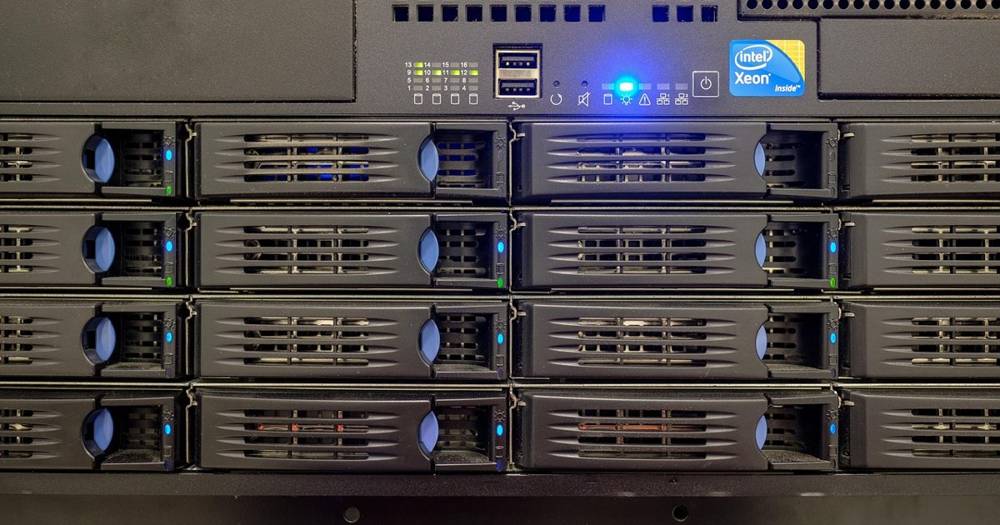
Typical Features and Pricing (2026)
Shared hosting plans in 2026 typically start very low, especially for introductory offers. However, it's the renewal rates you need to watch.
Most providers offer a free domain for the first year and a free SSL certificate. Storage usually ranges from 10GB to unlimited, though "unlimited" often comes with fair usage policies.
Here's a look at common initial and renewal price ranges:
- Entry-level Plan (e.g., single website): Initial price $2.99 - $5.99/month (for 12-36 months).
- Renewal Price: Jumps to $9.99 - $14.99/month.
- Mid-tier Plan (e.g., multiple websites, more storage): Initial price $4.99 - $8.99/month.
- Renewal Price: Jumps to $14.99 - $24.99/month.
Many hosts require a 24 or 36-month commitment to lock in the lowest initial price.
Shared Hosting Summary: Ideal for portfolios, small businesses, and personal blogs. Expect initial promotional rates to be significantly lower than renewal prices. Always check the long-term cost!
VPS Hosting: The Scalable Middle Ground
VPS (Virtual Private Server) hosting gives you a virtual dedicated server within a larger physical server. You get dedicated resources (CPU, RAM, storage) that aren't shared with other users, offering better performance and stability than shared hosting.
This is where I moved my blog when traffic started picking up, and the difference in speed and reliability was immediately noticeable. It's a great step up for growing businesses or e-commerce sites.
Key Specifications and Costs (2026)
VPS plans in 2026 vary widely depending on the resources allocated and whether it's managed or unmanaged. Unmanaged VPS requires technical expertise to set up and maintain, which can save you money if you know what you're doing.
Managed VPS costs more but includes server management by the host.
Typical configurations and their initial monthly prices (for a 12-month term) are:
- Basic VPS (1-2 Cores CPU, 2GB RAM, 40-60GB SSD): $19.99 - $39.99/month.
- Mid-range VPS (2-4 Cores CPU, 4-8GB RAM, 80-120GB SSD): $39.99 - $79.99/month.
- High-end VPS (4+ Cores CPU, 16GB+ RAM, 160GB+ SSD): $79.99 - $149.99+/month.
Renewal rates typically remain within 10-20% of the initial price, unlike shared hosting's drastic jumps. Some providers offer hourly billing for short-term projects.
Dedicated Servers: Power for Large Projects
With a dedicated server, you lease an entire physical server. This means all resources are exclusively yours, providing maximum performance, security, and control. This is the big league, suitable for very high-traffic websites, large e-commerce stores, or complex applications.
I've only used a dedicated server for client projects with extremely high demands, like custom applications. The setup and maintenance complexity are significant, so it's not for the faint of heart unless you have a dedicated IT team.
Pricing and Resource Allocations (2026)
Dedicated server prices in 2026 reflect the significant hardware and infrastructure investment. They typically come with robust processors, ample RAM, and large storage options (often a mix of SSD and HDD).
Most plans include a certain amount of bandwidth, with additional usage billed separately. Managed dedicated server plans are available but can add hundreds of dollars to the monthly cost.
Expect these monthly price ranges for unmanaged dedicated servers (12-month contract):
- Entry-level (Intel Xeon E3, 16GB RAM, 1TB HDD/250GB SSD): $99 - $179/month.
- Mid-range (Intel Xeon E5, 32GB RAM, 2x1TB SSD): $179 - $349/month.
- High-performance (Dual Intel Xeon, 64GB+ RAM, 2x2TB NVMe SSD): $349 - $700+/month.
Cloud Hosting: On-Demand Resources
Cloud hosting uses a network of virtual servers, allowing you to scale resources up or down on demand. You only pay for what you use, making it incredibly flexible and cost-effective for fluctuating traffic or rapid growth.
I've used cloud hosting for projects with unpredictable traffic spikes, like event registration sites. It handles surges beautifully without overpaying for idle resources during downtime.

Billing Models and Pricing Examples (2026)
Cloud hosting pricing is unique because it's often resource-based billing. You're charged for CPU usage, RAM, storage, and bandwidth, often by the hour or minute. This can be complex to predict but highly efficient.
Many providers offer a "pay-as-you-go" model with predictable rates for specific resource tiers. For example, a basic virtual machine with 1 vCPU, 2GB RAM, and 50GB storage might cost $0.007/hour, totaling around $5/month if run continuously.
Here are some estimated monthly costs for common configurations if running 24/7:
- Small Instance (1 vCPU, 2GB RAM): $5 - $15/month.
- Medium Instance (2 vCPU, 4GB RAM): $15 - $40/month.
- Large Instance (4 vCPU, 8GB RAM): $40 - $100+/month.
Popular cloud providers like AWS, Google Cloud, and Azure also offer free tiers for new users for the first 12 months, which can be an excellent way to experiment.
Cloud Hosting Caution: While flexible, cloud hosting can incur unexpected costs if not monitored. Always set budget alerts and understand the billing model thoroughly to avoid surprises.
Key Factors Beyond Just Price
Price is a significant consideration, but it shouldn't be the only one. A cheap host that constantly goes down or has terrible support will cost you more in lost sales and headaches. I learned this the hard way with a host that offered rock-bottom prices but took days to respond to support tickets.
Consider these crucial elements when making your choice:
- Performance (Speed & Uptime): A fast-loading website improves user experience and SEO. Look for hosts with SSD storage, CDN integration, and guaranteed uptime (e.g., 99.9% uptime SLA).
- Customer Support: 24/7 support via live chat, phone, or tickets is non-negotiable. Test their responsiveness before committing.
- Security Features: DDoS protection, free SSL certificates, daily backups, and malware scanning are essential.
- Scalability: Can your hosting plan grow with your website? It's easier to upgrade with the same provider than migrate to a new one.
- Ease of Use: A user-friendly control panel (cPanel, Plesk, or custom) makes managing your site much simpler.
- Reviews and Reputation: Check independent reviews on sites like Trustpilot or Google Reviews to gauge real user experiences.
Hosting Plan Feature Comparison (2026 Estimates)
Here's a simplified comparison of what you generally get with different hosting types in 2026. Remember, specifics vary by provider.
| Feature | Shared Hosting | VPS Hosting | Dedicated Server | Cloud Hosting |
|---|---|---|---|---|
| Typical Monthly Cost (Initial) | $2.99 - $8.99 | $19.99 - $79.99 | $99 - $349 | $5 - $100+ (per instance) |
| Resource Allocation | Shared | Dedicated (Virtual) | Dedicated (Physical) | Scalable (Virtual Network) |
| Control Level | Low | Medium to High | High | High |
| Technical Knowledge Needed | Low | Medium to High | High | Medium to High |
| Scalability | Limited | Good | Manual Upgrade | Excellent (On-demand) |
| Uptime Guarantee | 99.9% (Typical) | 99.9% - 99.99% | 99.9% - 99.999% | 99.95% - 99.99% |
| Ideal For | Blogs, small sites | Growing businesses, e-commerce | Large enterprises, custom apps | Variable traffic, global reach |
Making Your Decision for 2026
The best web hosting for you in 2026 isn't about the absolute cheapest or the most powerful; it's about the right balance for your specific project. Start by assessing your current and projected needs.
Consider your budget, technical comfort level, and anticipated website traffic. Don't be afraid to start small and upgrade later. Many hosts make it relatively easy to move from shared to VPS, for example.
Remember, the goal is long-term stability and growth for your online presence.
Frequently Asked Questions
Initial pricing (promotional rates) are often significantly lower to attract new customers, especially for shared hosting. Renewal pricing is the standard rate you'll pay after the first contract term, which can be 2-3 times higher. Always check the renewal cost before signing up!
"Unlimited" often comes with a "fair usage policy." For most small to medium websites, you won't hit practical limits. However, if you plan to host large video files or offer extensive downloads, clarify the exact terms with your host, as truly unlimited resources are rare.
Yes, many hosts offer a free domain name for the first year with a hosting plan. However, you'll typically need to pay for its renewal in subsequent years, which usually costs around $10-$20 annually depending on the TLD (.com, .org, etc.).
A user-friendly control panel like cPanel or Plesk is incredibly important, especially for beginners. It simplifies tasks like installing WordPress, managing emails, creating databases, and uploading files. Without it, you might need more technical knowledge to manage your site effectively.
Finding the perfect web hosting plan in 2026 really boils down to aligning your website's ambition with a provider's offerings and realistic pricing. Don't let flashy discounts distract you from the long-term value. I've always found that a little extra research upfront saves a lot of headaches later.
What are your biggest concerns when choosing a web host? Share your experiences and questions in the comments below!
