Web Hosting Price & Plan Comparison 2026: Performance & Support
Choosing a web host can feel like navigating a maze, especially with so many providers promising the moon. I've spent countless hours sifting through various web hosting options in 2026, and I've learned that raw price often tells only half the story. What truly matters for long-term success are two critical factors: performance and customer support.
It's not just about the cheapest plan; it's about whether your site loads quickly and if you can actually get help when things go wrong. I once picked a host purely on price, only to regret it when my site was constantly down and support tickets went unanswered for days. This guide will help you understand where to invest your money for the best blend of speed and reliability, and how to spot truly helpful customer service.
★ 30-second Key Summary
- ⚡ Performance: Look for SSD NVMe, ≥99.9% uptime guarantee.
- 📞 Support: 24/7/365 live chat and phone are critical.
- 💸 Price Range: Shared hosting from $2.99/mo to $15/mo.
- 📈 Recommendation: Prioritize hosts with transparent server specs.
Understanding Web Hosting Performance in 2026
Website performance isn't just a technical detail; it directly impacts your user experience and SEO. In 2026, Google heavily favors fast-loading sites, and users expect pages to appear almost instantly. A slow website means higher bounce rates and lower search rankings, directly affecting your online presence and potential revenue.
Many hosting providers boast about "unlimited" resources, but this can often be misleading. Real performance comes down to the quality of their infrastructure. I've found that knowing what to look for beyond marketing buzzwords is crucial for making an informed decision.
Server Hardware & Network Speed
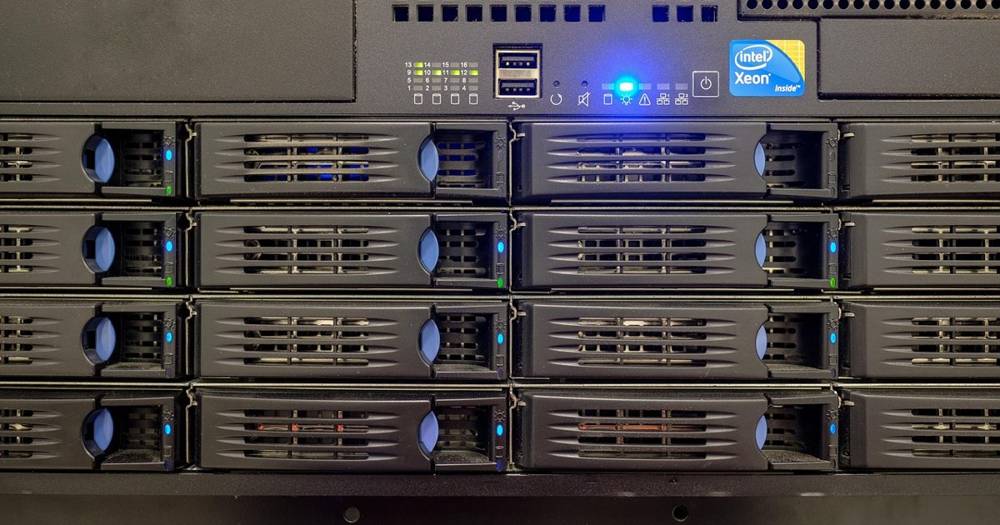
The backbone of any good host is its server hardware. Look for hosts utilizing NVMe SSD storage, which is significantly faster than traditional SSDs or HDDs. A host with modern processors, like Intel Xeon or AMD EPYC, also contributes to better processing power for your website's scripts.
Network speed is another often-overlooked factor. Datacenters with direct connections to major internet backbones and global CDNs (Content Delivery Networks) will deliver content to your users much faster, regardless of their geographical location. It's truly amazing the difference a well-connected server makes.
✅ Performance Checklist:
- NVMe SSD Storage: Essential for fast data access.
- Modern CPUs: Intel Xeon/AMD EPYC for processing power.
- CDN Integration: Speeds up content delivery worldwide.
- Data Center Locations: Multiple options for global reach.
Core Performance Metrics to Compare
When comparing different web hosting plans, don't just glance at the advertised features. Dig into the actual performance metrics that will tell you how your site will fare. These include uptime, server response time, and load handling capabilities.
I always run a few simple tests before committing to a host, even if they offer a money-back guarantee. It's a small effort that can save a lot of headaches later on. Here's what I prioritize:
Uptime Guarantee
An uptime guarantee is the host's promise that your website will be online for a certain percentage of the time. While 100% is ideal, a realistic and strong guarantee is 99.9% or higher. This translates to roughly 8 hours and 46 minutes of downtime per year. Anything less can severely impact your site's availability.
Some providers offer service credits if they fail to meet their uptime promise. Always check the terms and conditions for how these credits are calculated and claimed. It's a good indicator of their confidence in their infrastructure.
Server Response Time & Load Handling

Server response time (TTFB - Time To First Byte) measures how long it takes for the server to send the first byte of data to a user's browser. A good TTFB is under 200ms. You can often test this using tools like GTmetrix or Google PageSpeed Insights on a demo site if the host provides one.
Load handling refers to how well the server performs under increased traffic. Shared hosting often struggles here. If you anticipate traffic spikes, look for hosts that use technologies like LiteSpeed web server or offer dedicated resources, even on shared plans. I've found that a difference of a few hundred milliseconds can feel like an eternity to users.
- Uptime: 99.5%
- TTFB: 500ms+
- Storage: HDD/SATA SSD
- Cost: $1.99/month (initial)
- Uptime: 99.99%
- TTFB: <200ms
- Storage: NVMe SSD
- Cost: $4.99/month (initial)
Evaluating Customer Support Quality
Excellent customer support is invaluable, especially when you're facing a critical issue. It's not just about being available 24/7, but about the knowledge, responsiveness, and effectiveness of the support team. I've had experiences with "24/7" support that felt like talking to a chatbot, which is incredibly frustrating when your site is down.
Before committing, try reaching out to support with a pre-sales question. This gives you a taste of their response times and expertise. Ask specific technical questions to gauge their depth of knowledge. Don't be shy about it.
Response Time & Availability
The best hosts offer 24/7/365 support via multiple channels like live chat, phone, and ticketing systems. Live chat and phone are usually the quickest for urgent matters, often with response times under 5 minutes. Email or ticket support might take longer, typically 1-3 hours for initial response, but can be better for complex issues needing detailed investigation.
I always check for a knowledge base or community forum. While not direct support, a comprehensive self-help section can solve many common problems without needing to contact a representative.
Technical Expertise & Problem Resolution
The quality of support largely depends on the technical expertise of the staff. Can they help you troubleshoot a database error, or do they just point you to an article? Look for hosts that specifically mention "expert" or "technical" support. Some premium plans even offer dedicated account managers for more personalized assistance.
My advice? Test them. Ask about specific PHP versions, server caching, or even a hypothetical migration scenario. Their ability to provide clear, actionable advice speaks volumes. I've found that hosts with a strong focus on open-source technologies often have more knowledgeable support teams.
⚠️ Warning: Beware of Generic Support!
Some hosts offer "24/7 support" but it's often outsourced with limited technical depth. Always test their responsiveness and the quality of their answers during your trial period. Vague answers or boilerplate responses are red flags.
Top Web Hosts: Price, Performance & Support
Let's dive into some of the top contenders in 2026, comparing their base shared hosting plans, which are suitable for most small to medium websites. Remember that prices are for initial promotional periods, usually 1-3 years, and renewal rates can be significantly higher.
I've focused on providers known for a good balance of features, performance, and responsive support, rather than just the absolute cheapest options. You'll see that a slightly higher initial investment often pays off in fewer headaches down the road.
| Host | Initial Price (per month) | Key Performance Feature | Support Channels |
|---|---|---|---|
| Hostinger | $2.99 (36-month plan) | LiteSpeed Cache, NVMe SSD | 24/7 Live Chat, Ticket |
| SiteGround | $4.99 (12-month plan) | Google Cloud Infrastructure, Ultrafast PHP | 24/7 Live Chat, Phone, Ticket |
| Bluehost | $3.95 (36-month plan) | Standard SSD, CDN included | 24/7 Live Chat, Phone |
| A2 Hosting | $2.99 (36-month plan) | Turbo Servers (20x faster), NVMe SSD on high tiers | 24/7 Live Chat, Phone, Ticket |
| WP Engine (Managed WP) | $20.00 (first 3 months) | Advanced Caching, CDN, Enterprise SSD | 24/7 Live Chat, Phone (premium plans) |
Hostinger: Value for Performance
Hostinger offers incredibly competitive pricing starting around $2.99/month for their 36-month plan, and they pack a punch with performance. They utilize LiteSpeed web servers and NVMe SSD storage across many plans, which translates to noticeably faster loading times. Their global data centers also help.
Their support is primarily 24/7 live chat, which I've found to be quite responsive, usually getting a reply within 5-10 minutes. While they don't offer phone support on all plans, their chat agents are generally knowledgeable for common issues. For budget-conscious users seeking decent speed, they're a strong contender.
SiteGround: Premium Performance & Support
SiteGround is a bit pricier, starting at about $4.99/month for their 12-month plan, but the investment is often worth it for their superior infrastructure. They are built on Google Cloud Platform, which provides excellent stability and speed. Their custom Ultrafast PHP setup further optimizes WordPress sites.
What truly sets SiteGround apart is their support. They offer 24/7 live chat, phone, and ticket support, and their agents are famously well-trained. I've personally had complex issues resolved quickly by their team, often within 15-20 minutes on live chat, which saves a lot of stress.
- Initial Price: $2.99/mo
- Storage: NVMe SSD
- Uptime: 99.9%
- Support: 24/7 Chat
- Initial Price: $4.99/mo
- Storage: Google Cloud SSD
- Uptime: 99.99%
- Support: 24/7 Chat, Phone, Ticket
Hidden Costs & Performance Traps to Avoid
While looking at initial prices, it's easy to overlook factors that can either inflate your costs or degrade your site's performance over time. I've learned the hard way that the cheapest upfront deal isn't always the best value. Always read the fine print, especially regarding renewals and "free" add-ons.
Many hosts lure you in with low introductory rates, only to hit you with significantly higher renewal fees. Also, be wary of promises of "unlimited everything" on shared hosting, as there are almost always fair usage policies that can limit your site's actual performance.
Renewal Rates & Long-Term Contracts
The biggest hidden cost in web hosting is often the renewal rate. A plan advertised at $2.99/month might renew at $8.99/month or more after the initial term (usually 1-3 years). Always check both the initial and renewal prices before signing up. Opting for a longer initial term (e.g., 36 months) usually locks in the lower rate for longer.
Also, watch out for automatic renewals. Many hosts will automatically charge your credit card at the higher renewal rate unless you cancel well in advance. Set a reminder in your calendar for about 2-3 months before your contract ends to evaluate your options.
Overselling & Resource Limits
Shared hosting involves multiple websites on one server. While common, some hosts "oversell" their servers by packing too many sites onto one, leading to performance degradation for everyone. This is where "unlimited bandwidth" or "unlimited storage" claims can be misleading. They are usually subject to fair usage policies that kick in if your site consumes too much CPU or RAM.
If your site starts experiencing slow downs or 503 errors, it could be due to hitting these unadvertised resource limits. Always look for hosts that are transparent about their resource allocations per plan, even on shared hosting.
- Initial: $2.99/month
- Renewal: $10.99/month
- +368% price increase!
- Host A (low renewal): $3.99/mo x 36 = $143.64
- Host B (high renewal): $1.99/mo x 12 + $9.99/mo x 24 = $263.76
- Difference: $120.12 more!
Frequently Asked Questions
You should realistically expect at least 99.9% uptime from a reputable host. This translates to less than 9 hours of downtime per year. Many top hosts now offer 99.99%, which is even better and a strong indicator of reliability.
For truly urgent issues, phone support is generally superior if available, allowing for immediate conversation and quicker problem diagnosis. Live chat is a close second, often with quick response times (under 5-10 minutes) for many hosts, making it very convenient for most queries.
The biggest single performance improvement often comes from hosts that use NVMe SSD storage and a high-performance web server like LiteSpeed. These technologies drastically reduce data access and processing times, leading to much faster website loading.
No, choosing the absolute cheapest plan often leads to compromises in performance, support, and hidden renewal costs. It's usually better to invest slightly more for a host with solid infrastructure and responsive support, which will save you headaches and potential lost revenue in the long run. Look for a balance of value and quality.
Conclusion: Prioritize Reliability Over Rock-Bottom Prices
In 2026, the landscape of web hosting is more competitive than ever, but the core principles for selecting a good host remain constant. Don't let enticingly low introductory prices blind you to the essential needs of your website: reliable performance and accessible, knowledgeable support. I've found that cutting corners here inevitably leads to frustration and potentially greater costs down the line.
Think of web hosting as the foundation of your online presence. A weak foundation will eventually crack. Investing in a host that provides solid performance, like NVMe SSDs and high uptime guarantees, coupled with genuinely helpful 24/7 support, is the smartest move you can make. It’ll give you peace of mind and keep your website running smoothly for visitors and search engines alike. What's your top priority when choosing a host?
